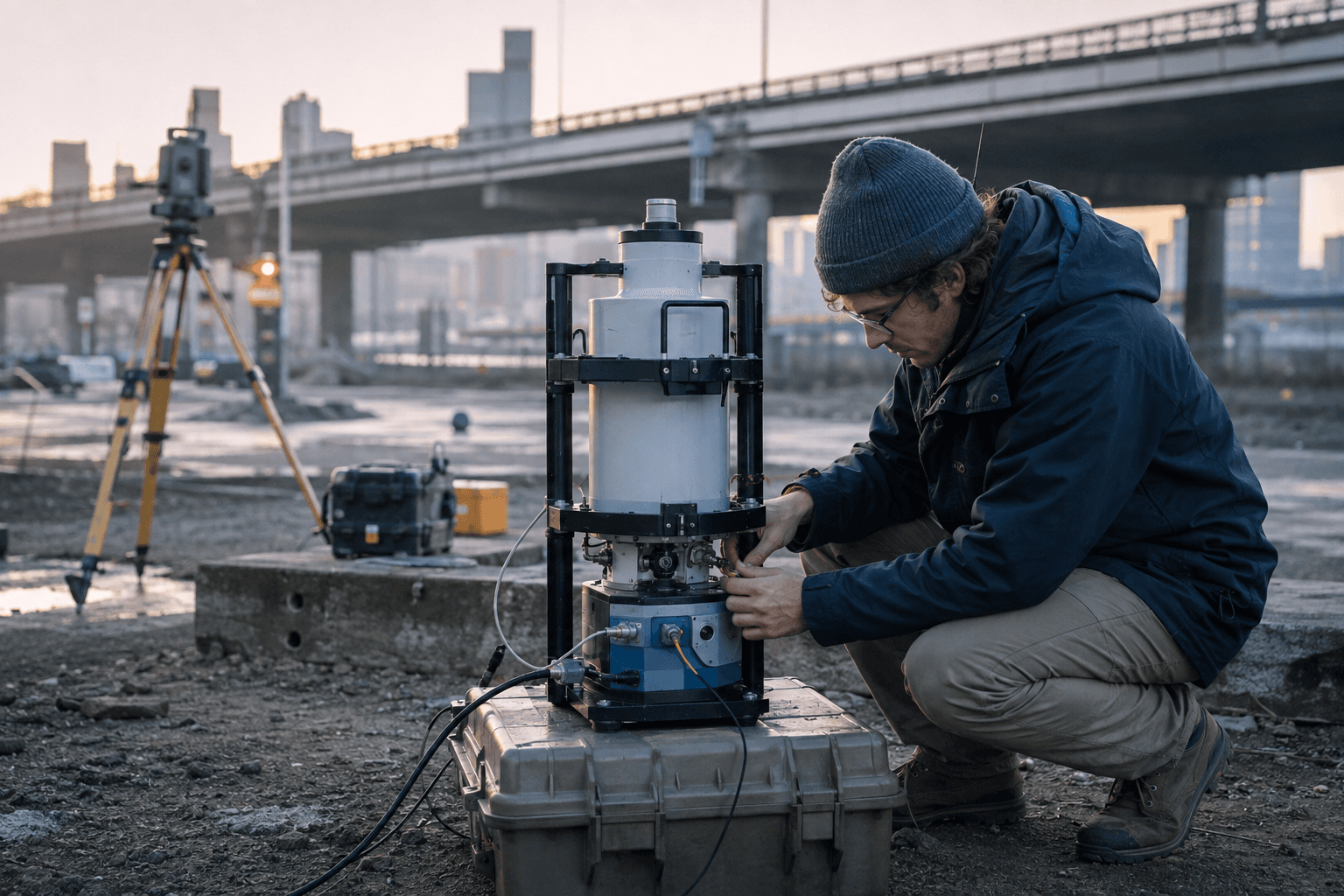
The boundary between scientific observation and engineering practice is becoming increasingly porous. New instruments do more than measure the world: they allow researchers to test it, model it and make better decisions inside it.
What happened
Researchers have demonstrated a significant advance under realistic operating conditions. The result connects years of laboratory development with a practical system that can be deployed, measured and improved.
The team combined higher-quality sensing, careful calibration and a compact analysis pipeline. Together, these elements produced reliable information while reducing the assumptions required by earlier approaches.
“The important step is not a single record. It is the ability to make the measurement repeatably, where the information is needed.”
Why it matters
Better evidence changes the quality of engineering decisions. It helps practitioners distinguish a true signal from background variation, direct limited resources toward the greatest risk and test whether an intervention is working.
Scientific / Engineering impact
The immediate value lies in the method. Researchers can now ask more precise questions, while engineers gain a clearer path from measurement to action. The larger opportunity is a shared language between disciplines — one built around transparent evidence, uncertainty and continuous learning.
References & sources
Editorial demonstration record
This is temporary editorial demonstration content for the first working version of ISOGKP Knowledge Hub.